Manual Osteopathy in Vancouver for Persistent Back Pain Relief
Stop Letting “Normal” Back Pain Run Your Day
Persistent back pain makes work, commuting, and even a simple seawall walk feel harder than they should. Sleep gets broken, mornings feel slow, and you start planning your day around what your back can handle instead of what you want to do.
If pain medication, foam rolling, or random stretches only give short-term relief, you likely need care that targets the root drivers of your pain.
Get Evidence-Informed, Hands-On Help for Back Pain
Manual osteopathy offers a conservative, hands-on approach that looks at how your whole body moves so your back does not have to carry the load alone.
Book your manual osteopathy assessment today. Accepting New Patients • Direct Billing Available.
Why Your Back Pain Keeps Coming Back
Back pain usually builds over time from a mix of physical and stress-related factors that overload the same areas again and again. Common contributors include:
Joint mechanics in the spine, pelvis, and hips
Fascia tension that restricts how regions slide and move together
Desk posture and screen time habits
Prior sports injuries or car accidents
Repetitive work tasks, lifting, or carrying kids
New or increased activities like hiking, cycling, or golf
When only the painful spot gets attention, the underlying movement patterns stay the same. As soon as the effect of medication, heat, or a quick stretch wears off, the same triggers keep provoking your nervous system.
Manual osteopathy assesses how your spine, pelvis, ribs, and hips share load as one system and targets the patterns that keep driving your pain.
How Manual Osteopathy Helps with Back Pain
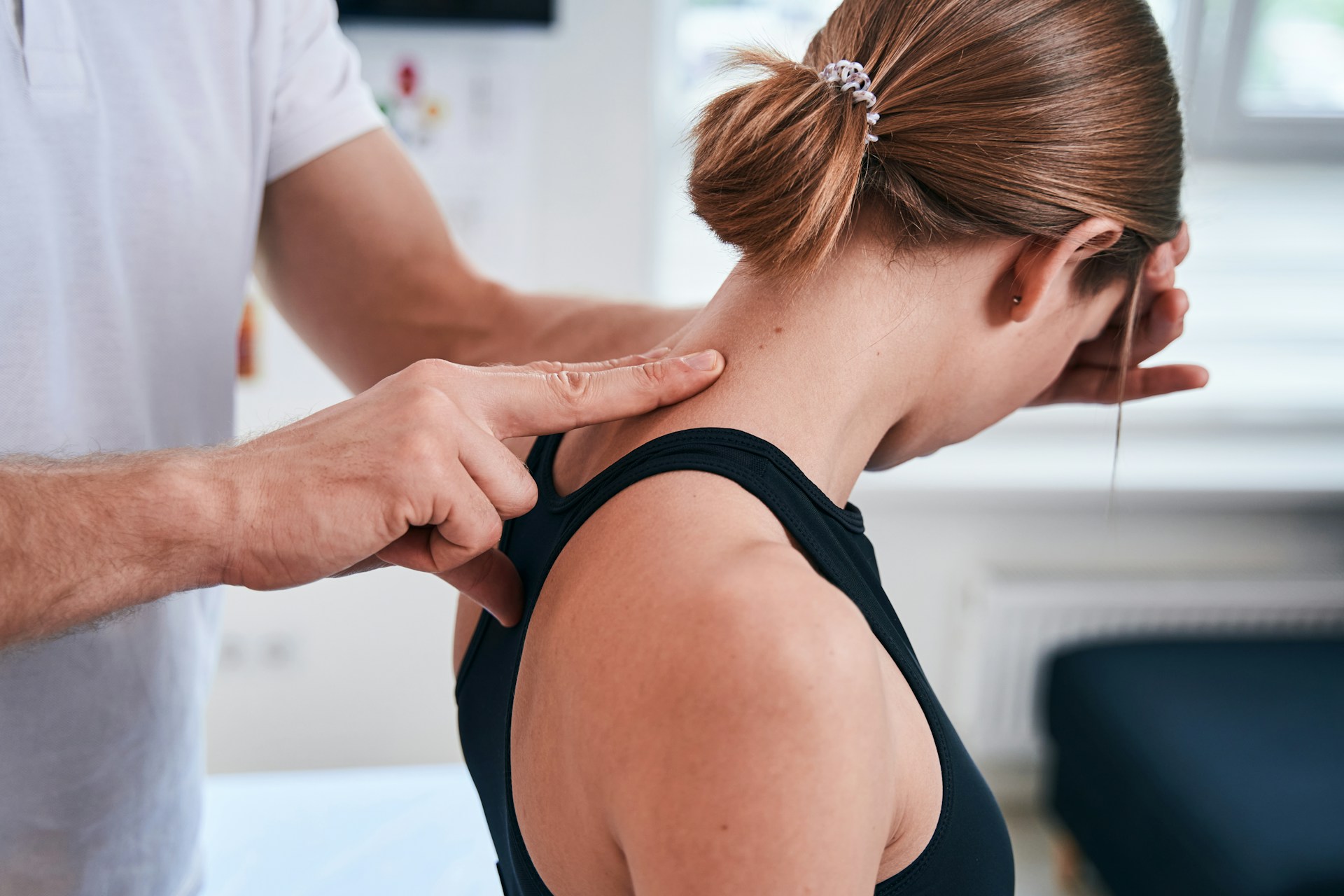
Manual osteopathy is a hands-on therapy that assesses and treats joints, muscles, fascia, and alignment to improve how you move and feel. The goal is to help your back work in a safer, more efficient way so daily tasks become easier.
During a typical visit, your osteopathic manual practitioner will:
Take a detailed history of your pain, health, and activity demands
Assess your spine, pelvis, hips, ribs, and gait to find restricted or overloaded areas
Use gentle, precise techniques tailored to your comfort and medical history
Techniques may include light joint mobilization, soft tissue work, and specific positioning to reduce strain in key regions. Treatment often includes not only the low back, but also the hips, mid-back, and rib cage that influence how your lower spine behaves.
Manual osteopathy for persistent back pain may help:
Decrease muscle tension and joint irritation
Improve mobility so sitting, standing, and walking feel easier
Support better load sharing through the spine and pelvis, which may reduce flare-ups over time
Care follows current Canadian clinical practice standards. Your practitioner screens for medical red flags and avoids techniques that do not fit your health picture.
Your First 3 Back Pain Sessions: A Focused Trial of Care
You deserve a clear plan, not an endless series of visits.
Here is what a focused trial of care often looks like:
Visit 1: Assessment, initial hands-on treatment, and a simple home plan with one or two realistic changes (targeted movement, posture adjustment, or activity modification).
Visit 2: Recheck key movements like sitting, bending, and getting out of bed. Techniques and home strategies are adjusted based on your response.
Visit 3: Review changes in pain intensity, frequency, and function (workday tolerance, walking, or driving). Together, you decide whether to continue, space visits out, or adjust the plan.
Patients commonly report practical improvements such as:
Easier mornings getting out of bed and putting on shoes
Less stiffness after a workday or longer drive
More confidence returning to or maintaining walking, light hiking, or other activities
Manual osteopathy does not replace medical care. If your practitioner suspects a condition that needs imaging, medical follow-up, or a different therapy first, they will discuss that with you and coordinate as needed. Techniques are adapted for conditions such as disc-related pain, arthritis, or osteoporosis, and your consent is checked before any new approach.
Team-Based Care for Complex Back Pain
Back pain that lasts for months or years often needs more than one type of support. A team-based clinic model can streamline your care.
Manual osteopathy can integrate with:
Naturopathic medicine, to support pain management, sleep, and inflammation within an individual plan
Registered massage therapy, to reduce muscle guarding and complement manual osteopathic work
Acupuncture, to support pain modulation and nervous system regulation
Counselling, to address the emotional load, stress, or anxiety that often accompany long-term pain
Dietetics, to review food patterns that may influence inflammation and recovery
With your consent, practitioners share clinically relevant information so you avoid repeated assessments and conflicting advice, and you receive a more unified plan.
Common Questions About Manual Osteopathy for Back Pain
Q1: How Manual Osteopathy Differs From Massage or Chiropractic Care
Manual osteopathy focuses on how your whole body moves as a unit. Massage typically targets muscles, while chiropractic care often emphasizes spinal joints. Manual osteopathy blends joint, muscle, and fascia work with an emphasis on alignment and movement patterns. Many people use it alongside other therapies within a coordinated plan.
Q2: How Many Sessions Will I Need for My Back Pain?
The number of sessions depends on how long you have had pain, what drives it, your health history, and your activity demands. Many patients start with a focused trial of two to three visits to see how they respond. Your practitioner will reassess as you go and recommend whether to continue, space visits, or adjust the plan.
Q3: Is Manual Osteopathy Safe If I Have a Disc Issue or Arthritis?
Manual osteopathy can often be adapted for people with disc-related pain or arthritis after a careful assessment and review of your medical history. Techniques are selected to avoid excess strain, and your practitioner screens for any signs that you may need imaging or medical follow-up first. In some cases, co-management with other providers offers the safest approach.
Ready to Move with Less Back Pain?
Book your manual osteopathy back pain assessment now and start a clear, evidence-informed plan tailored to your goals.
Book Now. Accepting New Patients • Direct Billing Available
This content is for general information only and does not replace individualized medical advice. Please have a licensed practitioner review all clinical details and regulatory alignment before publishing.
Take The Next Step Toward Lasting Pain Relief
If you are ready to address the root cause of your discomfort, our practitioners are here to help. Explore how manual osteopathy in Vancouver can support your mobility, ease pain and improve overall wellbeing with a tailored treatment plan. At Inspirit Health Group, we take the time to understand your health history and goals so each session is specific to your needs. Have questions or want to book an appointment? Simply contact us to get started.
