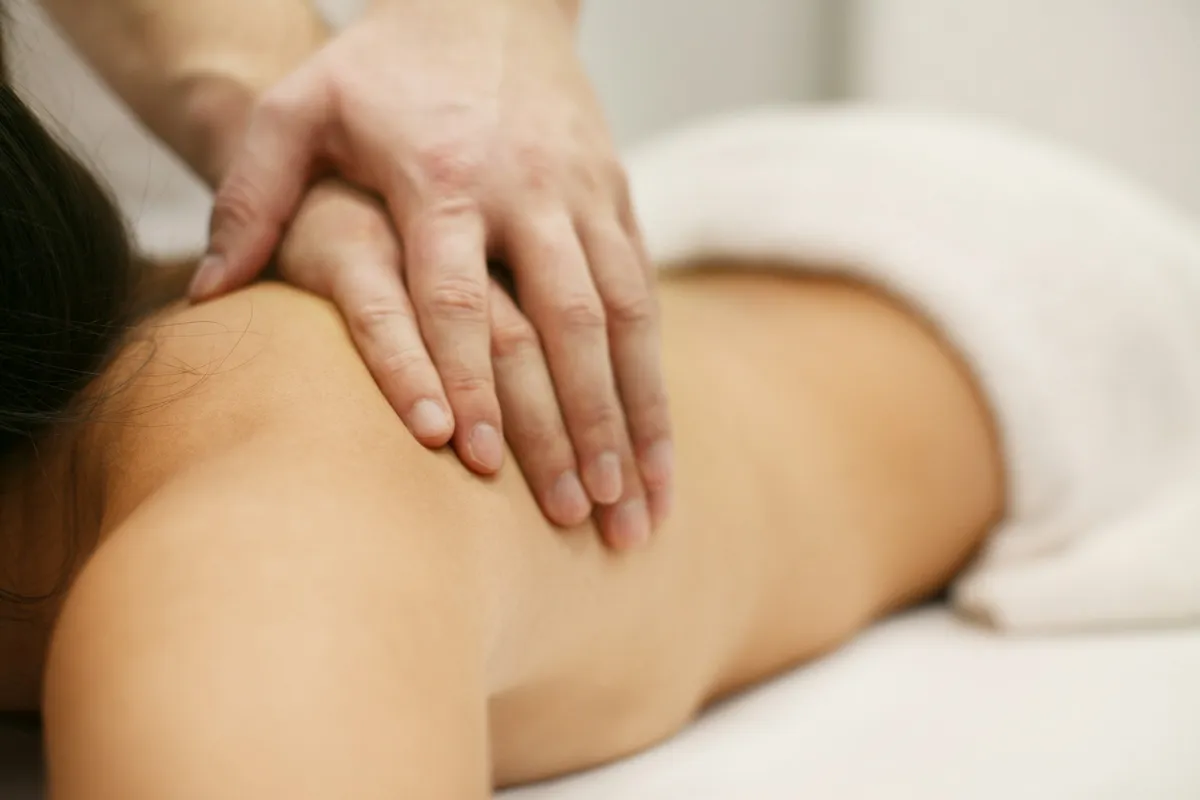
Registered Massage Therapy Vs. Osteopathy: Which Is Right for You
Registered massage therapy and manual osteopathy both use hands-on care, but they focus on different concerns. The right starting point depends on whether muscle tightness, a recent strain, stress-related tension, limited movement, or recurring pain is affecting you most.
For massage therapy vs. osteopathy in Vancouver, both services are available at our Downtown Vancouver clinic at 997 Seymour Street. The location is close to the downtown business district, transit, and nearby parking. We are accepting new patients, and direct billing is available for eligible RMT plans.
What Registered Massage Therapy Can Treat
Registered massage therapy is often a good fit when muscular tension or soft-tissue discomfort is the main issue. RMT may help with:
Neck and shoulder tightness
Low-back discomfort connected to muscle tension
Headaches associated with tight muscles
Sports soreness or repetitive strain
Stress-related tightness
Pregnancy-related muscular discomfort
Treatment may include massage, myofascial work, gentle joint movement techniques within the RMT scope, and guidance around mobility or ergonomics. Your RMT will assess the areas involved and ask how symptoms affect work, sleep, exercise, and daily activities. Pressure and techniques can be adjusted based on sensitivity, preferences, and the goals of the appointment.
When Manual Osteopathy May Be the Better Fit
Manual osteopathy takes a broader look at joints, muscles, connective tissue, posture, and movement patterns. It may suit you when discomfort does not stay in one place or recurring stiffness affects how you move.
Assessment may include posture, range of motion, and joint movement. Treatment can include soft-tissue work, stretching, and gentle mobilization based on your presentation. Manual osteopathy does not replace medical diagnosis or emergency care. If your symptoms involve sudden severe pain, unexplained weakness, numbness, fever, recent trauma, or other concerning changes, medical assessment may be needed before hands-on treatment.
How the Sessions Differ
Both appointments begin with a discussion of your symptoms, health history, and goals.
RMT often centres on muscles, soft tissue, recovery, and localized discomfort.
Manual osteopathy places more emphasis on body mechanics, joints, and connected movement restrictions.
RMT may suit stress-related tightness, exercise recovery, or a focused muscular concern.
Osteopathy may suit ongoing mobility concerns involving several areas.
Appointment length, hands-on techniques, and follow-up timing can also differ based on the service and your assessment findings. Neither option needs to be chosen permanently. Your care plan can change if your symptoms, movement, or treatment priorities change.
What to Expect
Your first visit includes an assessment and a conversation about what is affecting your daily function. The practitioner will explain the proposed hands-on treatment and adjust care to your comfort level. Follow-up recommendations depend on your symptoms, response to treatment, and goals.
Wear comfortable clothing that allows the practitioner to assess the relevant area. RMT treatment commonly involves direct work on soft tissue, with appropriate draping and consent throughout the visit. Manual osteopathy appointments may involve movement testing, stretching, and gentle hands-on techniques. You can ask questions or pause treatment at any time.
Our Approach
Care begins with the concern that matters most to you, rather than a one-size-fits-all treatment plan. Desk-related neck and back tightness may respond well to RMT, while persistent stiffness or restricted movement may warrant manual osteopathy assessment. When appropriate, care can be coordinated with acupuncture, naturopathic medicine, counselling, or dietetics.
The goal is to identify a practical starting point based on your symptoms and function. For example, someone with a recent training-related muscle strain may begin with RMT, while someone whose hip, low back, and walking pattern all feel restricted may benefit from an osteopathy assessment. Recommendations remain individualized and are adjusted as your response to care becomes clearer.
Patient Reviews
Verified patient testimonials are not included in this article. Individual treatment experiences vary, and an assessment helps determine which service may be appropriate for your concerns.
A practitioner can explain what they are assessing, why a particular approach may be recommended, and what changes to monitor between visits. This supports informed decision-making without assuming that one type of hands-on care is right for every concern.
Using Massage and Osteopathy Together
Massage therapy and osteopathy can complement each other when clinically appropriate. RMT may address muscular sensitivity and soft-tissue tension, while manual osteopathy may focus on joint mobility and movement restrictions. Coordinated care is available at the Seymour Street clinic without requiring separate locations across Vancouver, BC.
Some patients use both services at different stages of care. For instance, RMT may be helpful when muscle tension is the immediate priority, while osteopathy may be considered when broader movement restrictions continue to affect function. The sequence and frequency of appointments should reflect your presentation, response, schedule, and coverage rather than a fixed formula.
Get Clear Guidance for Your Next Treatment
At Inspirit Health Group, we help patients make informed choices based on their symptoms, goals, and treatment preferences. Book your appointment for massage therapy vs. osteopathy in Vancouver with our team in Downtown Vancouver on Seymour Street, close to transit, parking, and the downtown business district. Accepting New Patients and Direct Billing Available. Call (604) 559-8816 or contact us to book.
FAQs
Is Massage Therapy or Osteopathy Better for Back Pain?
It depends on what appears to be contributing to your discomfort. Muscle tension may point toward RMT, while recurring restriction, posture concerns, or pain involving several connected areas may make osteopathy a better starting point. Back pain can have many causes, so an assessment is important, particularly if symptoms are persistent, worsening, or accompanied by numbness, weakness, or changes in bladder or bowel function.
Can I Book Both Massage Therapy and Osteopathy?
Yes. Both services may be used as part of a personalized plan when appropriate. Timing depends on your symptoms, treatment response, and practitioner recommendations. Your practitioners can also consider whether another service within the clinic may better support your current concerns.
Is RMT or Osteopathy Covered by Insurance?
RMT is commonly eligible for extended health coverage, while manual osteopathy coverage varies by plan. Checking your benefits can help clarify available coverage. Direct billing is available for eligible RMT plans, while reimbursement options for osteopathy depend on your individual insurer and policy.
