By. Dr. Olisa Mak, ND
In the world of health and wellness, we’re constantly inundated with new headlines, trends and recommendations. Where should you start? What will improve your health the most?
Ensuring that you’re eating enough fibre is one of the simplest, and most evidence-based changes that you can make to benefit your body for the better. By simply ensuring that you’re getting your fibre, you’re keeping your body clean for longevity, supporting your digestion (where dis-ease often begins), ensuring blood sugar regulation and cardiovascular wellness.
Most adults consume less than half of the recommended daily intake, even when they believe that they are “eating healthy.”
Understanding fibre—and learning how to consume enough of it consistently—can have wide-ranging benefits across nearly every body system.
What is Fibre?
Dietary fibre is the indigestible portion of plant foods. Unlike carbohydrates that are broken down into glucose, fibre passes through the digestive tract largely intact. The fact that fibre remains intact is what makes it so powerful.
Fibre is broadly categorized into two types, based on how it interacts with water.

Types of Fibre
Insoluble Fibre consists of strong bonds that water cannot easily break apart. This allows it moves through the gut, intact, and rigid.
By giving stool more structure and stimulating intestinal movement, insoluble fibre helps to support regular, complete bowel movements.
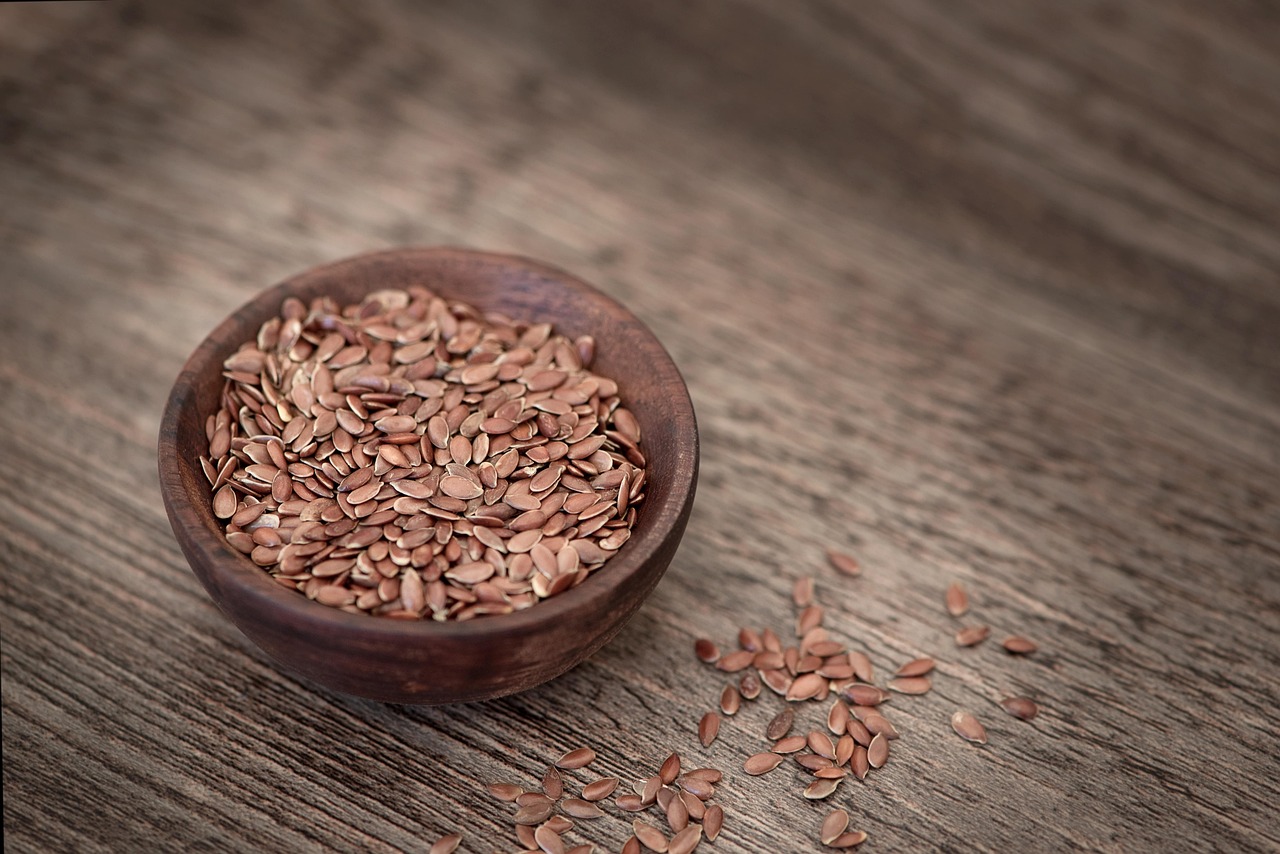
Most common sources of insoluble fibre: whole grains, vegetable skins, nuts, seeds, & legumes
Soluble fibre expands to form a gel-like substance when mixed with fluid in our digestive tracts. This slows down digestion, leading to more stable blood sugar and insulin responses.
Main sources of soluble fibre: oats, beans, lentils, chia seeds, flax, apples, citrus, & berries.
So is one type of fibre more important than the other?
Absolutely not. Both types play diverse yet key roles in supporting long-term health. Most
plant foods contain both types, which is why dietary diversity matters.
Why is fibre so important?
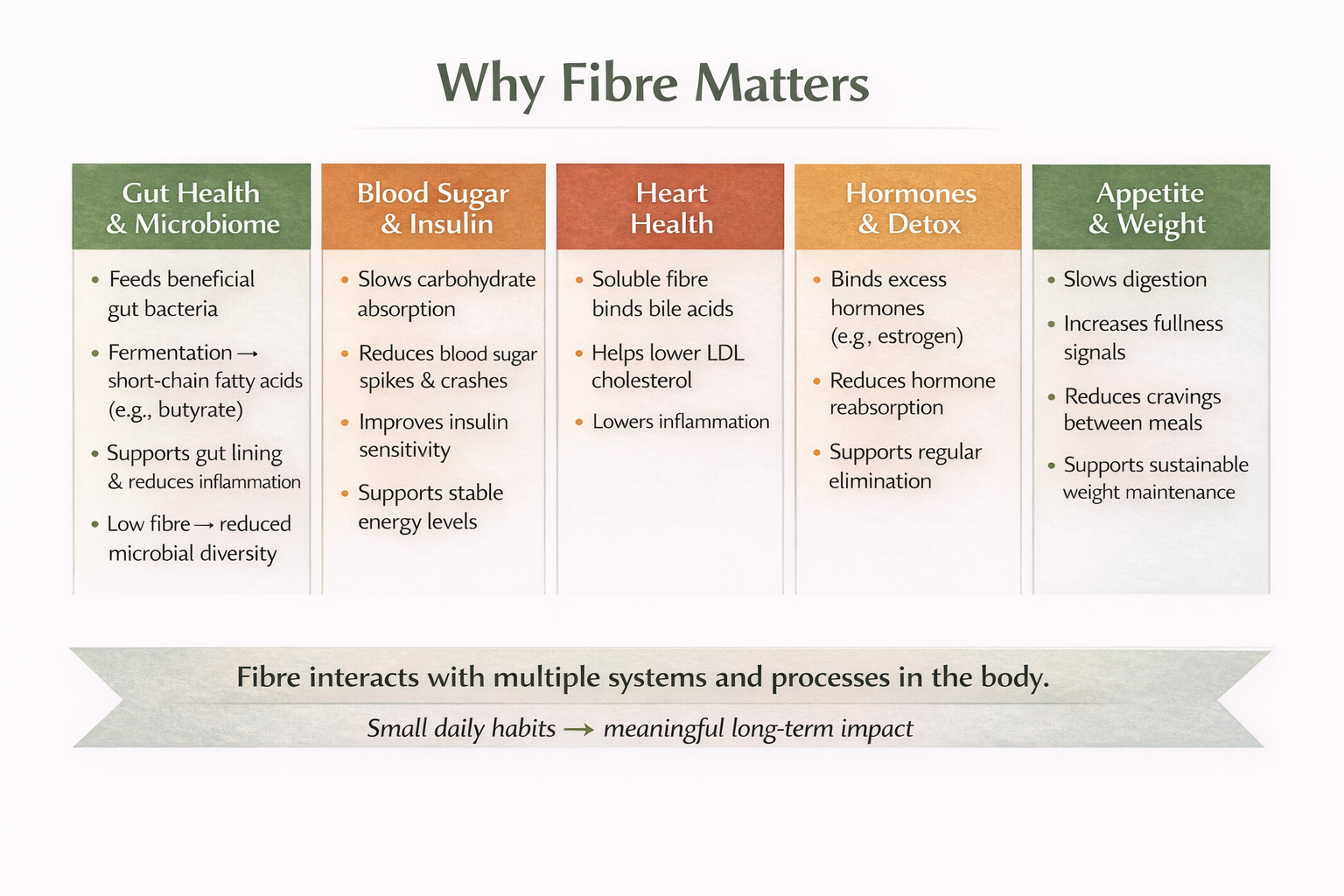
Because fibre isn’t broken down into sugar, it physically moves through the digestive tract, helping stool form and pass more easily. At the same time, it slows how quickly other foods are digested and absorbed, which helps keep blood sugar and insulin levels more stable. As fibre reaches the large intestine intact, it also becomes fuel for beneficial gut bacteria, supporting the microbiome, and therefore reducing both systemic and localized inflammation.
NOTE: Fibre is also needed to activate nutrients, for example, polyphenols
Understanding Low Fibre Intake
Why fibre intake often falls short:
- Heavy reliance on refined grains that have had their fibre-rich outer layers removed
- Low legume intake
- Avoidance of carbohydrates altogether
- Over-emphasis on protein without plant balance
- Digestive symptoms leading to unnecessary restriction
Signs You May Need More Fibre:
- Constipation or irregular stools
- Blood sugar swings
- Frequent cravings
- Elevated cholesterol
- Hormonal symptoms
- Poor satiety after meals
An important question to ask yourself
How do you feel after meals? Energized? Lethargic?
How Much Fibre Do We Need?
General guidelines:
- Women: ~25–30 g/day
- Men: ~30–38 g/day
Aim to build fibre into every meal.
While fibre is necessary for everyone – it can have very real effects on the body and therefore, if you have any underlying health concerns, it’s best to reach out to one of our Naturopathic Doctors to ensure that you’re tailoring your fibre intake to your needs. Just like with all things, too much of something can be a bad thing. Balance is key.
While fibre supplements can be useful in specific cases, a food-first approach is always preferred when possible. Getting your fibre from natural foods ensures that you’re eating foods rich in various micronutrients including minerals, B-vitamins, as well as other critical nutrients such as polyphenols and flavonoids.
THE BOTTOM LINE
Due to complex interactions with various processes of our body, there’s still much that we don’t know about just how fibre works and why it’s so beneficial. However, we undoubtedly know that fibre needs to be a fundamental part of our diet to ensure the health and wellbeing contributes to the well-being of every system (and process) in our body and must be a fundamental part of our diet.
Fibre is not just about digestion, it is a cornerstone of metabolic, hormonal, and gut health. Consistently eating enough fibre supports long-term health, resilience, and balance across the body. Rather than viewing fibre as an afterthought, think of it as a daily foundation—one built through variety, whole foods, and sustainable habits.