
Inspire the healing within...
Root-cause health
care in downtown
Vancouver.
Chronic pain. Stress and anxiety. Hormones and fertility.
Digestion. Allergies. Low energy. Whatever brought you
here, our naturopathic doctors, acupuncturists, manual osteopath,
counsellors and massage therapist work as one team to
find the cause and build a plan around you.
Booking opens in Jane, our secure scheduling system.
Inspire the healing within...
Root-cause health
care in downtown
Vancouver.
Chronic pain. Stress and anxiety. Hormones and fertility. Digestion. Allergies. Low energy. Whatever brought you here, our naturopathic doctors, acupuncturists, manual osteopath, counsellors and massage therapist work as one team to
find the cause and build a plan around you.
Booking opens in Jane, our secure scheduling system.
PATIENT STORIES
Trusted by patients who had
tried everything else.
Real reviews from our Seymour Street clinic.
I found Inspirit while searching for help with my allergies and pregnancy, and the care has been outstanding. My acupuncture sessions with Carrie made a real difference. The whole team is wonderful.
I'd tried massage and chiro before, but manual osteopathic treatment with Mahnaz is the only thing that's given me lasting relief. She is exceptionally caring, deeply knowledgeable, and I recommend her fully.
From the moment I walk in, I'm met with warmth and genuine professionalism. Claudia's expertise in acupuncture is clear. She takes the time to understand my concerns and tailor every single session.
Trusted by patients who had tried everything else.
Real reviews from our Seymour Street clinic.
I found Inspirit while searching for help with my allergies and pregnancy, and the care has been outstanding. My acupuncture sessions with Carrie made a real difference. The whole team is wonderful.
I'd tried massage and chiro before, but manual osteopathic treatment with Mahnaz is the only thing that's given me lasting relief. She is exceptionally caring, deeply knowledgeable, and I recommend her fully.
From the moment I walk in, I'm met with warmth and genuine professionalism. Claudia's expertise in acupuncture is clear. She takes the time to understand my concerns and tailor every single session.
01
Registered, regulated care
Every clinician holds a recognized designation: ND, R.Ac, R.TCMP, DOMP, RMT, RCC, RSW. Real training, real regulation, years in practice.
02
One clinic, one plan
Your practitioners actually talk to each other. Findings and goals are shared across disciplines, so your care moves in one direction instead of five.
03
Experienced practitioners
Every practitioner on our team brings 10+ years of experience in their field. With decades of combined clinical expertise across multiple disciplines, you can feel confident you’re receiving knowledgeable, evidence-informed care tailored to your needs.
our team
Experienced
hands, one shared
philosophy.
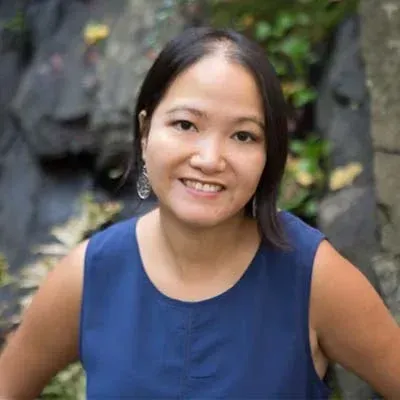
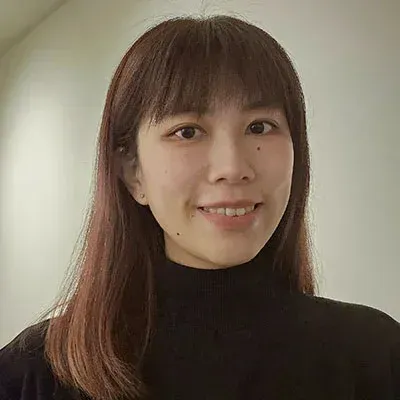
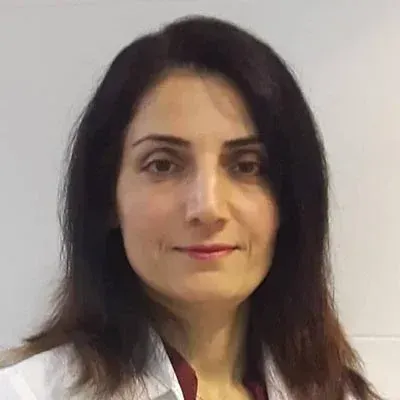
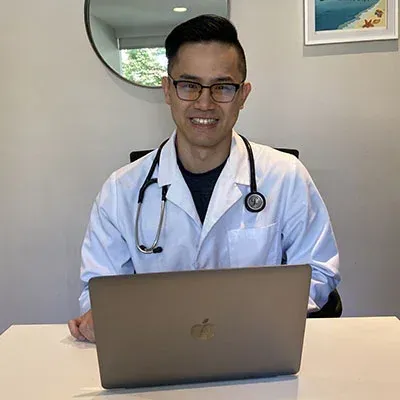
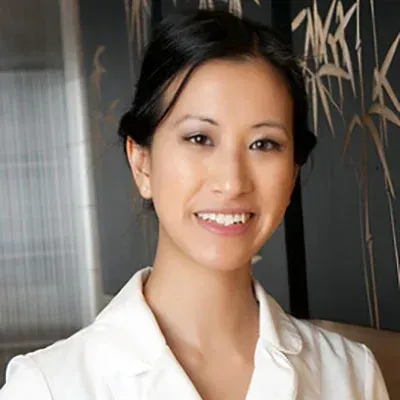
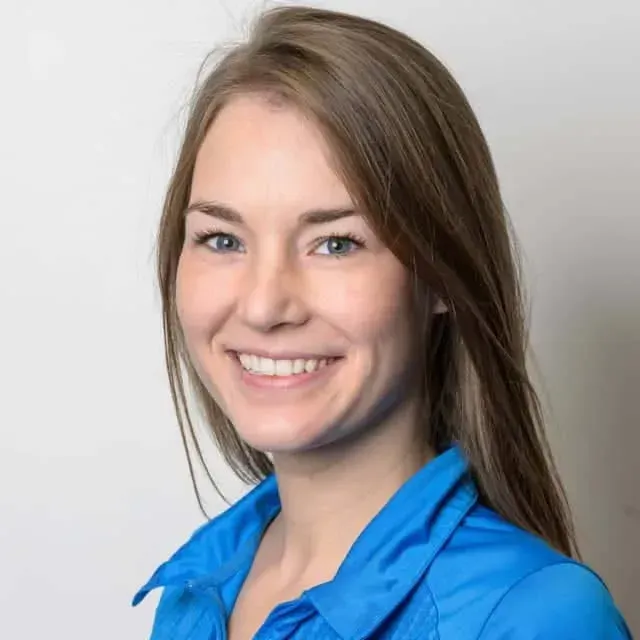
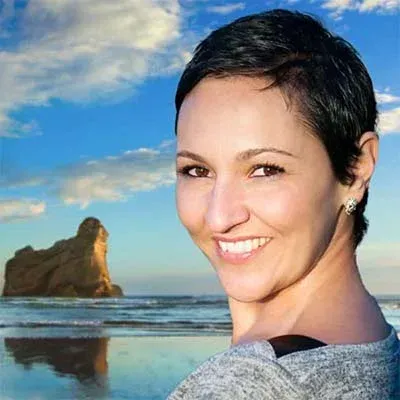
Inspirit Health Group brings together naturopathic doctors, registered acupuncturists, a manual osteopathic practitioner, registered clinical counsellors, a registered massage therapist and nutrition support, all under one roof on Seymour Street. Different disciplines, one shared belief: treat the whole person, never just the symptom.

Our Services
Every discipline you need to get to the root of it, under one roof.
Naturopathic Medicine
Licensed NDs who dig into your history and bloodwork, then treat the cause with evidence-informed natural medicine.
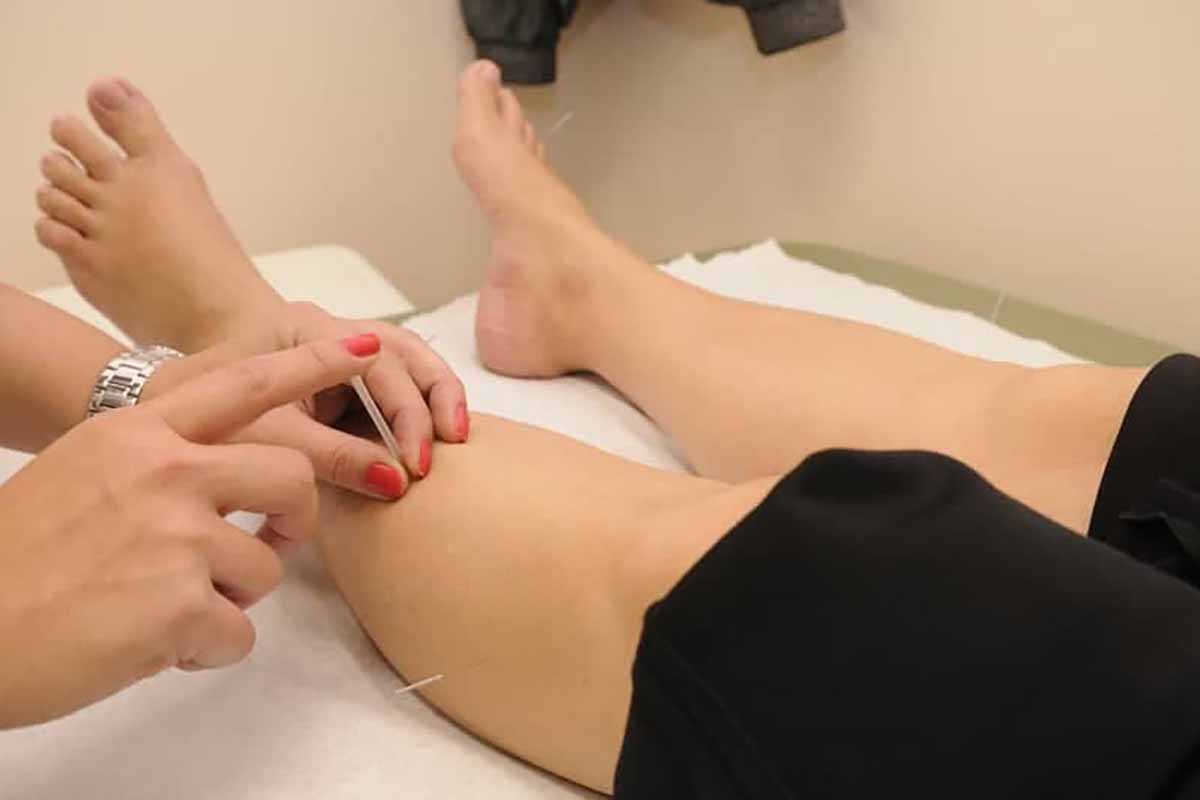
Acupuncture
Registered acupuncturists and TCM practitioners for pain, stress, hormones, fertility and digestion.
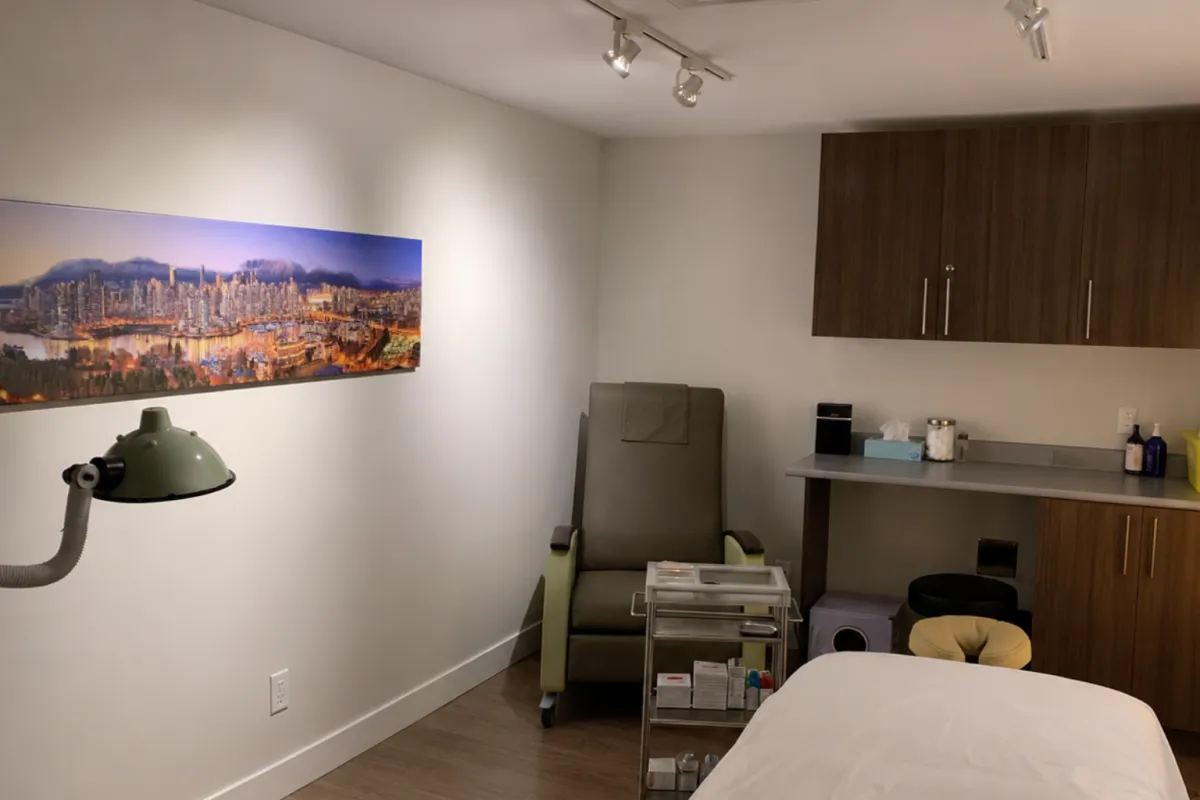
Manual Osteopathy
Gentle, hands-on treatment to restore mobility and ease pain, including visceral manipulation and craniosacral therapy.
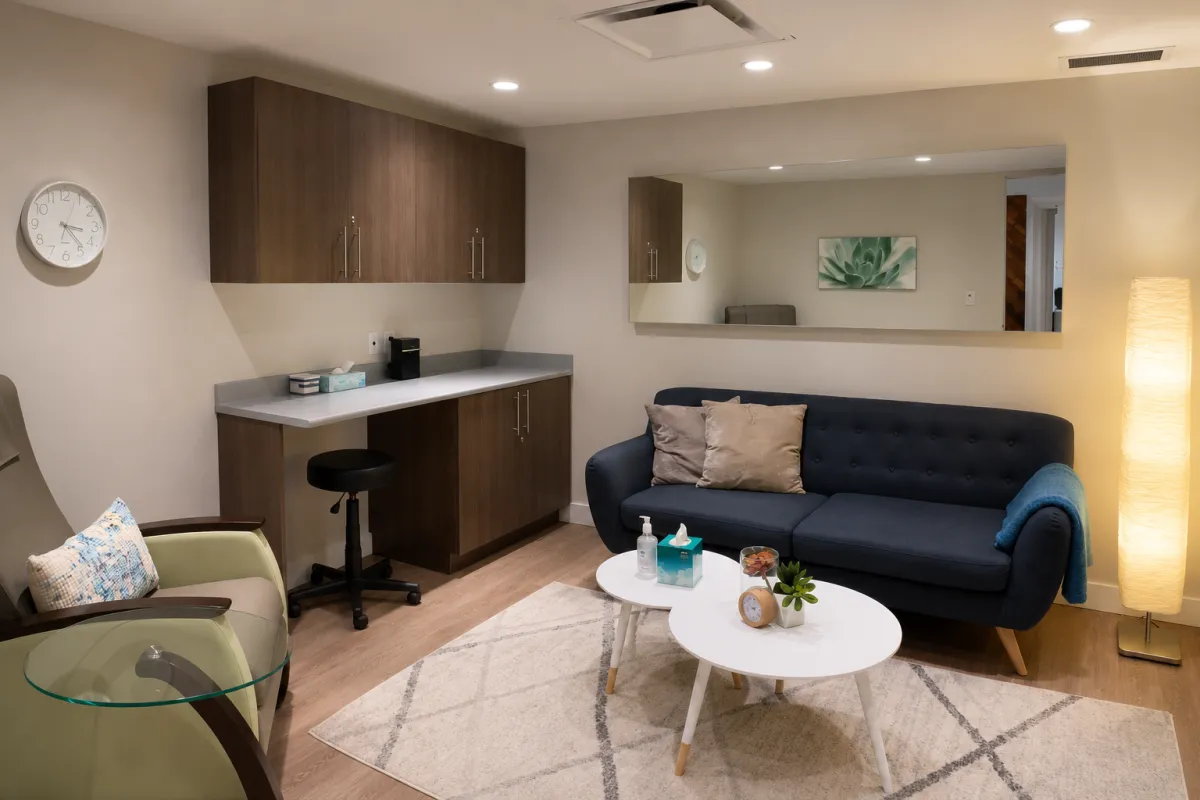
Clinical Counselling
Registered clinical counsellors for anxiety, trauma, relationships and life transitions, including PSYCH-K belief work.
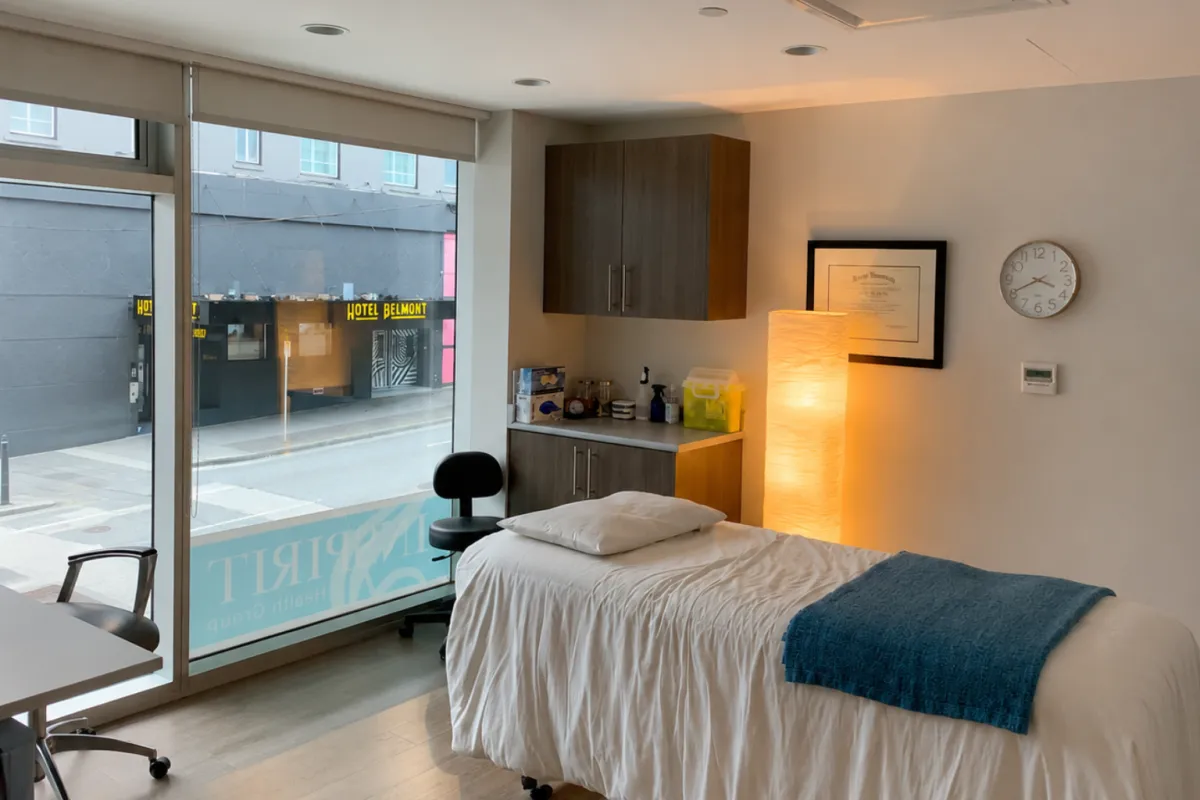
Registered Massage Therapy
Therapeutic massage from a Registered Massage Therapist, from deep tissue release to migraine and tendinitis care.

Dietetics & Nutrition
One-on-one nutrition guidance to support digestion, energy and long-term health.
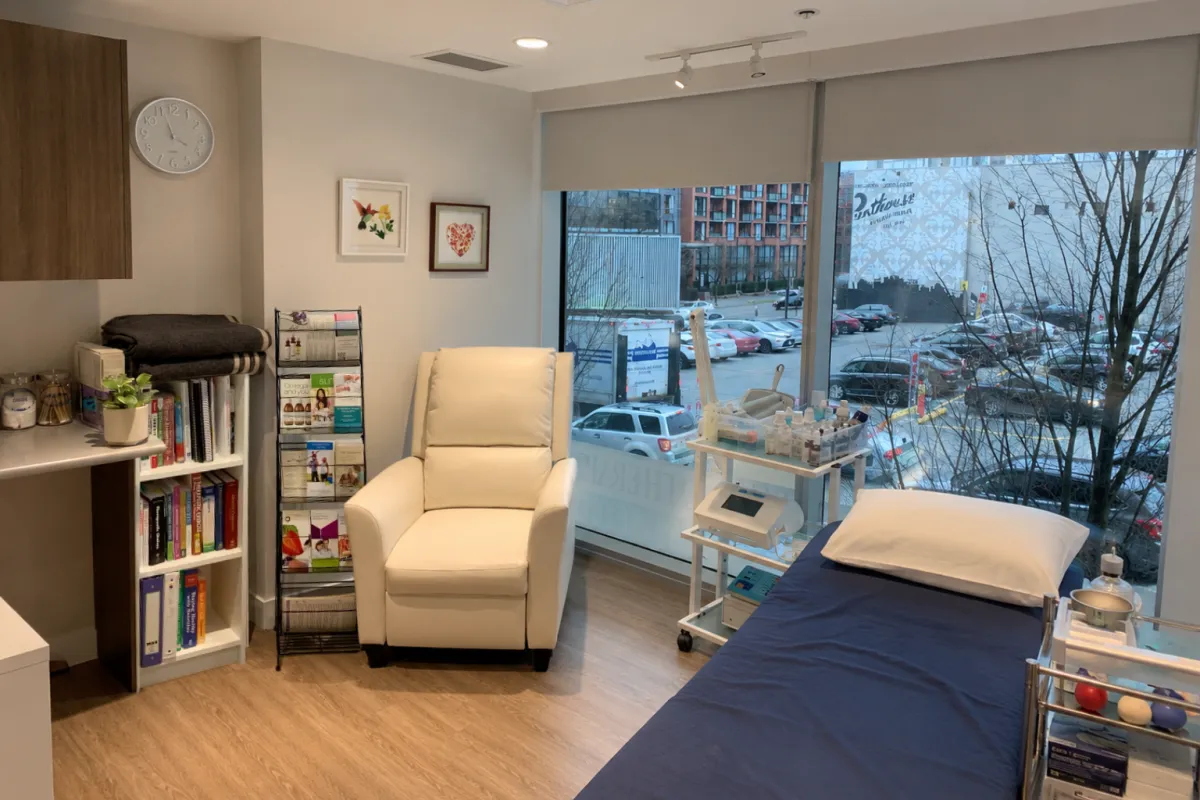
IV & IM Nutrient Therapy
Doctor-supervised IV drips and quick IM shots for energy, immunity and recovery.
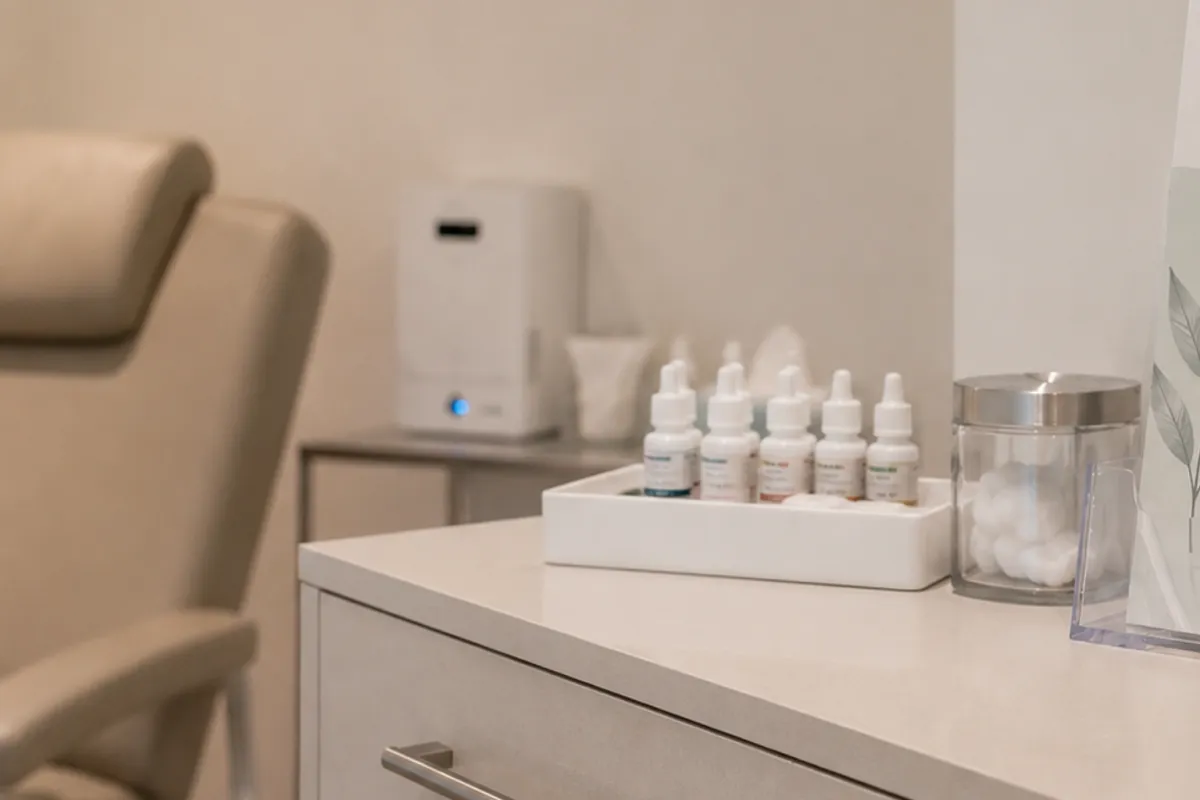
Allergy Testing & Treatment
Testing to identify food and environmental triggers, with desensitization treatment to address them.
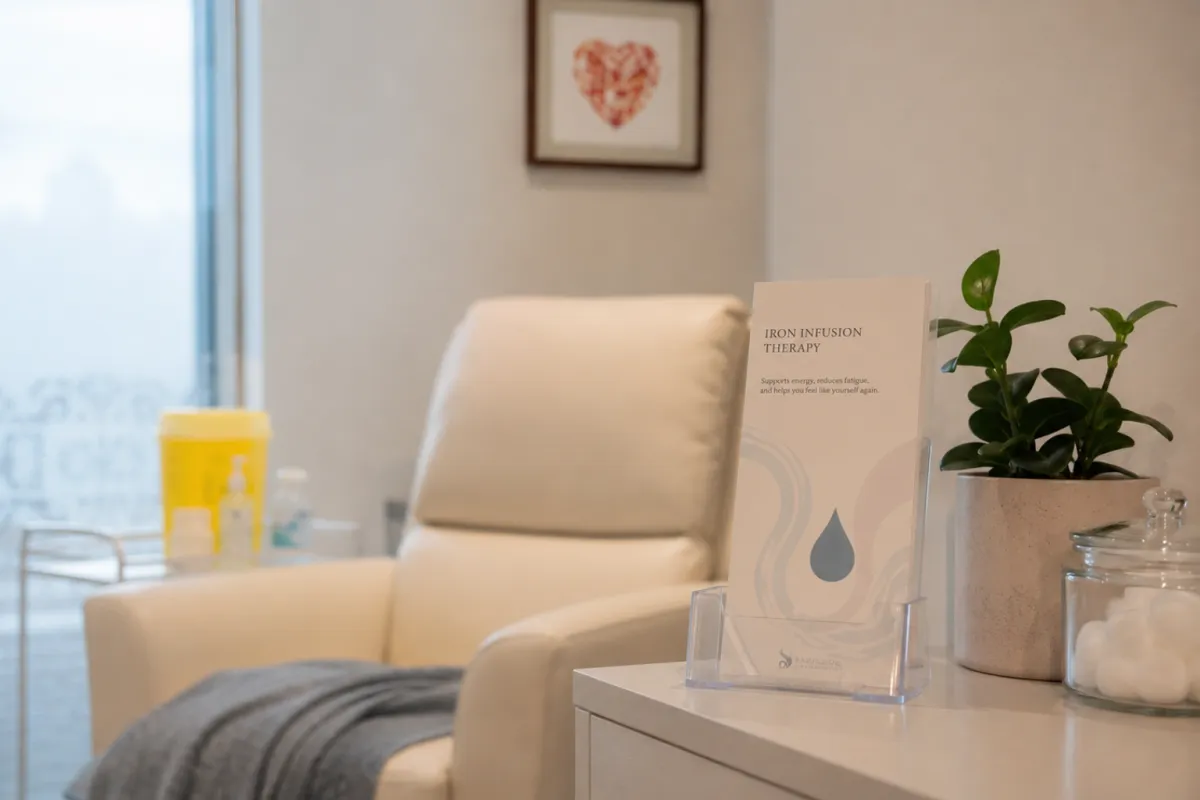
Iron Infusion Therapy
Safe, supervised IV iron for low ferritin, when oral iron is not working or not working fast enough.
Ready when you are.
We are accepting new patients at our downtown Vancouver clinic. Not sure where to start? Book a free 15-minute consultation with one of our naturopathic doctors and we will point you in the right direction.
Booking opens in Jane, our secure scheduling system.

inspire the healing
within...
A multidisciplinary holistic health clinic on Seymour Street, offering coordinated, root-cause care seven days a week. Direct billing available for most extended health plans.
Clinic
220-997 Seymour St
Vancouver, BC V6B 3M1
(604) 559-8816
After-hours intercom*: press 1331 after 5:30pm or on weekends.
*Intercom is located on the other side of the concrete column (outside door of 999 Seymour) to your left.
Hours
Appointments
Our practitioners offer appointments during the day, evenings (until 8:00 PM), and on Saturday and Sundays.
Appointment availability varies by practitioner.
Reception
Our reception team is available:
Tues–Sat: 10:00 AM – 4:00 PM
Navigation
© 2026 Inspirit Health Group. All rights reserved.
220-997 Seymour St, Vancouver BC · After-hours intercom: press 1331